Begin with the substrate and the deposit
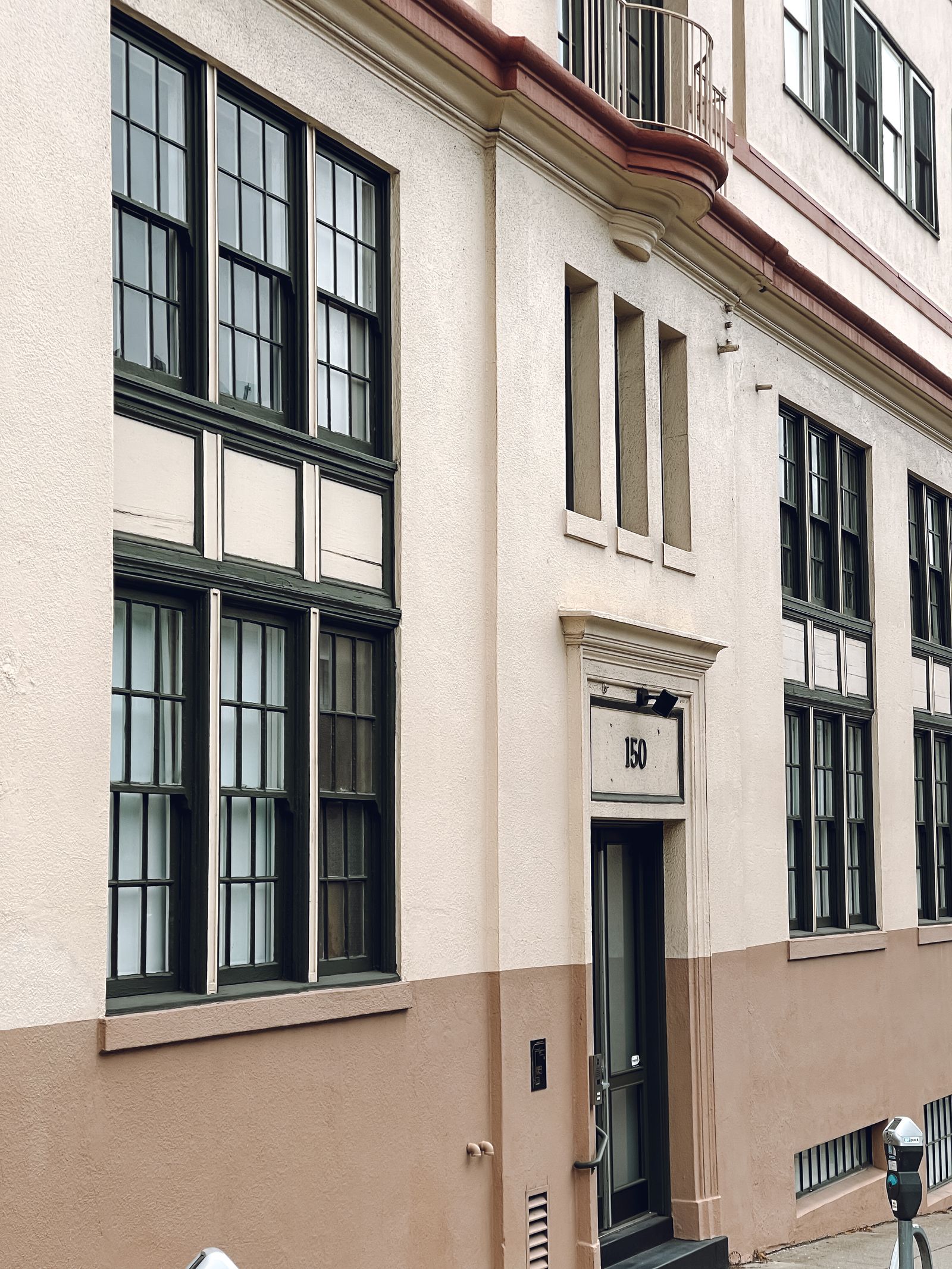
Greensboro commercial exteriors may combine brick, mortar, concrete, stucco, EIFS, painted metal, glass, stone, tile, composite panels, and repaired sections. A green or dark area can be algae-like growth, mildew, pollen, traffic film, soot, oxidation, mineral residue, or water streaking. Those conditions require different treatment and may point to a gutter, parapet, sealant, irrigation, or roof-edge issue. High pressure chosen without regard to the substrate can scar soft material, open joints, remove paint, damage seals, or drive water behind trim.
A soft-wash process can be appropriate for compatible organic growth when a test area confirms the material, product, dwell, rinse, and expected appearance. The written scope should separate facade washing from mineral removal, oxidation treatment, glass detailing, graffiti, construction residue, repointing, waterproofing, and painting. A useful closeout identifies cleaned elevations and any deposits that remain because they need another method or trade.
- Map brick, mortar, masonry, stucco, EIFS, concrete, glass, metal, and coatings.
- Distinguish pollen, organic growth, traffic soil, minerals, oxidation, and damage.
- Test weathered, repaired, coated, or visually sensitive surfaces before broad work.
- Define the intended finish and exclusions before approving an elevation.
Sequence downtown Greensboro around public life
Downtown Greensboro properties near Elm Street, Market Street, the government center, restaurants, offices, hotels, and event venues can place facade work beside sidewalks, storefront glass, curb space, outdoor seating, deliveries, and changing pedestrian routes. A clean building still needs an open accessible route, protected doors and air intakes, visible work-zone controls, and a sequence that does not turn the primary entrance into an avoidable obstruction. A rear elevation or side wall may be a better first phase before a public frontage is scheduled during a quieter window.
Property contacts should identify tenant hours, event calendars, deliveries, trash pickup, valet or rideshare activity, customer queues, and emergency access before mobilization. The proposal should say where equipment stages, how hoses cross a route, which doors or windows are protected, and who can pause work when pedestrian, vehicle, or weather conditions change. Downtown access is part of the cleaning scope, not an afterthought.
Plan Friendly Center and Wendover Avenue retail work
Friendly Center and the Wendover Avenue corridor bring shopping traffic, storefronts, restaurants, signs, parking fields, curb cuts, shared drive aisles, deliveries, and multiple tenant schedules. A retail or office property may need a pre-opening window, a phased elevation plan, customer-route protection, and coordination around loading or drive-through activity. Keep accessible paths, fire lanes, entrances, and vehicle sightlines usable while wet work is underway. A property manager can make the plan more accurate by sharing peak periods and tenant-specific restrictions.
Parking-side walls often drain toward curb inlets, planted islands, basement entries, neighboring parcels, or low points in the lot. The scope should follow the water from the high point, identify where rinse water may travel, and state what protection, diversion, collection, recovery, filtration, reduced-rinse method, or authority coordination is expected. A visible storm drain is not automatic permission to discharge treated water.
Cover airport, industrial, medical, and office corridors
Around Piedmont Triad International Airport and the airport/industrial corridors, buildings may include broad metal panels, warehouses, distribution facilities, loading docks, truck movement, fencing, rooftop equipment, pavement dust, exhaust, and outdoor storage. A durable service yard may be evaluated for controlled pressure, while a compatible upper wall may suit soft washing. Staging must account for active loading, security, aircraft-related restrictions, overhead utilities, vehicles, and drainage. The work plan should identify access equipment and a ground-based alternative if conditions change.
Medical and office corridors near Battleground Avenue, Friendly Avenue, Wendover, and major hospital campuses can require quiet periods, patient drop-off protection, privacy, clean air intakes, accessible routes, and clear emergency lanes. A medical or occupied office site may need smaller phases and a documented pause process. Cleaning should be sequenced around people and operations without claiming access to or contracts with any named facility.
Account for Piedmont humidity, pollen, and storms
Greensboro's Piedmont climate brings humid periods, spring pollen, summer heat, rain, shade, and storm changes that influence both staining and the work window. North-facing or tree-shaded walls may dry slowly and support recurring organic film. Sun-exposed metal and painted surfaces may instead show oxidation, chalking, dust, or roof runoff. A maintenance conversation should follow exposure, material, drainage, and use rather than promise one universal interval.
Thunderstorms, lightning, gusts, heavy rain, slick pavement, and saturated ground affect dwell time, spray control, traction, runoff, and any elevated or aerial work. Establish weather limits and a rescheduling process before arrival. If a storm changes the water path or prevents a dry inspection, pausing protects the site and improves the assessment. Pre-event cleaning, tenant turnover, recurring maintenance, and seasonal presentation can each need a different window.
Treat masonry, access, and runoff as one plan
Brick and mortar may show open joints, spalling, efflorescence, patched areas, old coatings, and biological growth on the same elevation. Cleaning can reveal damage without repairing it. A test area and close inspection help set expectations, while the scope should refer masonry, roofing, envelope, painting, or sealant concerns to the appropriate specialist. Soft washing should not be presented as restoration or as a cure for water entry.
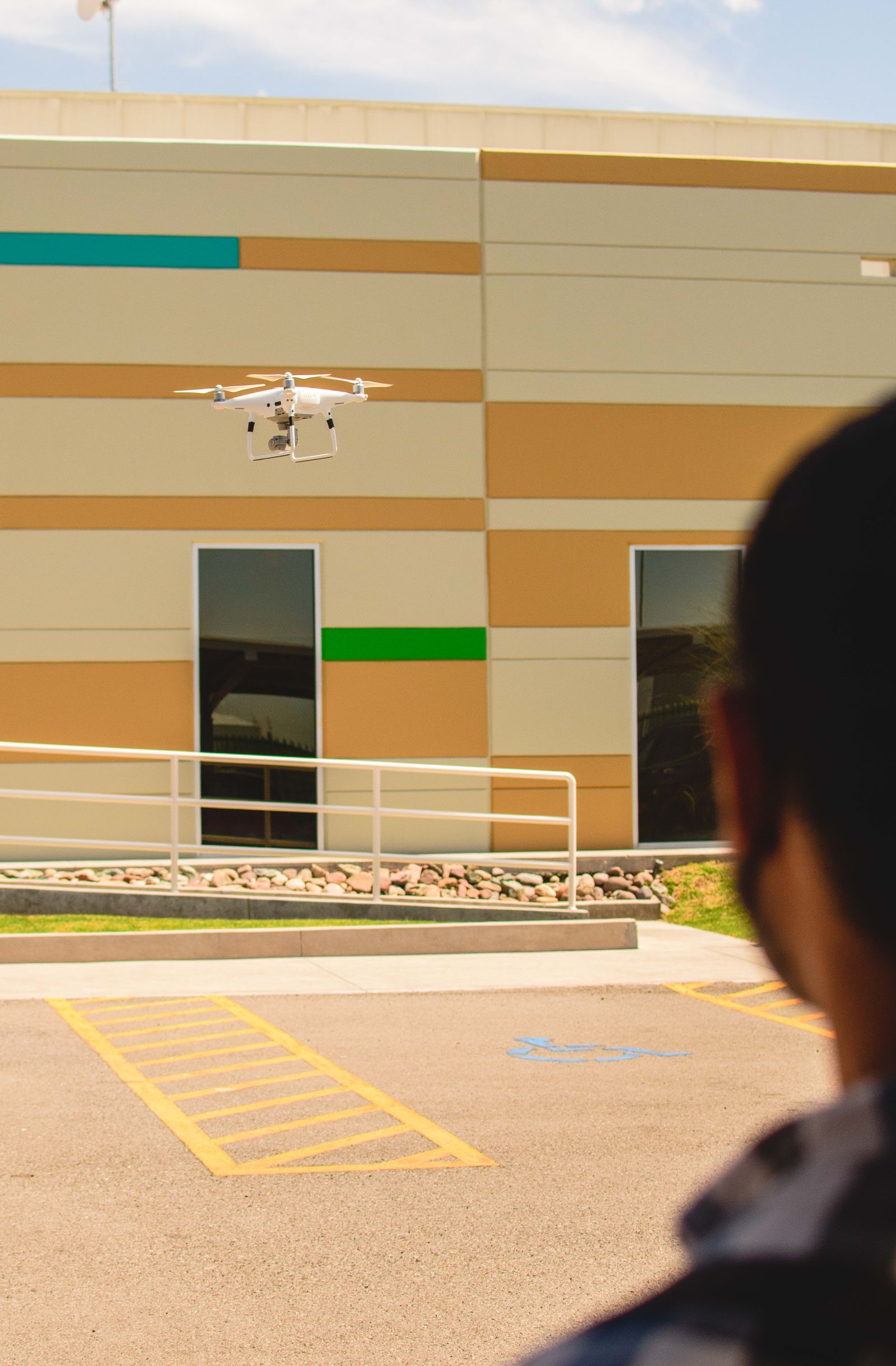
Upper walls may be visible from a parking lot but inaccessible from a safe ground position. A lift, pole system, controlled soft wash, contact detail, ground method, or hybrid approach may be selected by elevation. Aerial assistance is considered only when launch and recovery space, line of sight, workable wind, stand-off distance, public separation, obstacles, wires, trees, rooftops, airport-related requirements, and facade suitability allow it. Commercial drone work must follow applicable Federal Aviation Administration rules and any authorization required for the address and date.
Before work, map storm drains, low points, planted beds, irrigation, basement doors, loading areas, accessible routes, neighboring property, and vehicle paths. Product choice, removed soil, rinse volume, slope, and site requirements determine the appropriate controls. The quote should state assumptions rather than imply that every runoff condition has the same answer.
Request a Greensboro scope you can schedule
For a downtown storefront, Friendly Center retailer, Wendover office, airport warehouse, industrial building, medical property, or mixed-use site, the proposal should identify materials, deposits, elevations, method, access equipment, work hours, water source, public controls, weather triggers, runoff assumptions, intended finish, and exclusions. Separate broad facade washing from windows, minerals, oxidation, canopies, signs, construction film, graffiti, and repairs. If aerial support is considered, specify useful zones and the backup method.
Send the Greensboro address, wide and close photos, approximate height, priority elevations, known materials, desired result, preferred work window, water access, drainage concerns, and restrictions involving customers, patients, tenants, employees, deliveries, or events. Call +1 239-351-2897, email contact@dronebuildingcleaners.com, or use the existing quote form to get in touch. The next step may be a remote review, site visit, test area, or written scope.