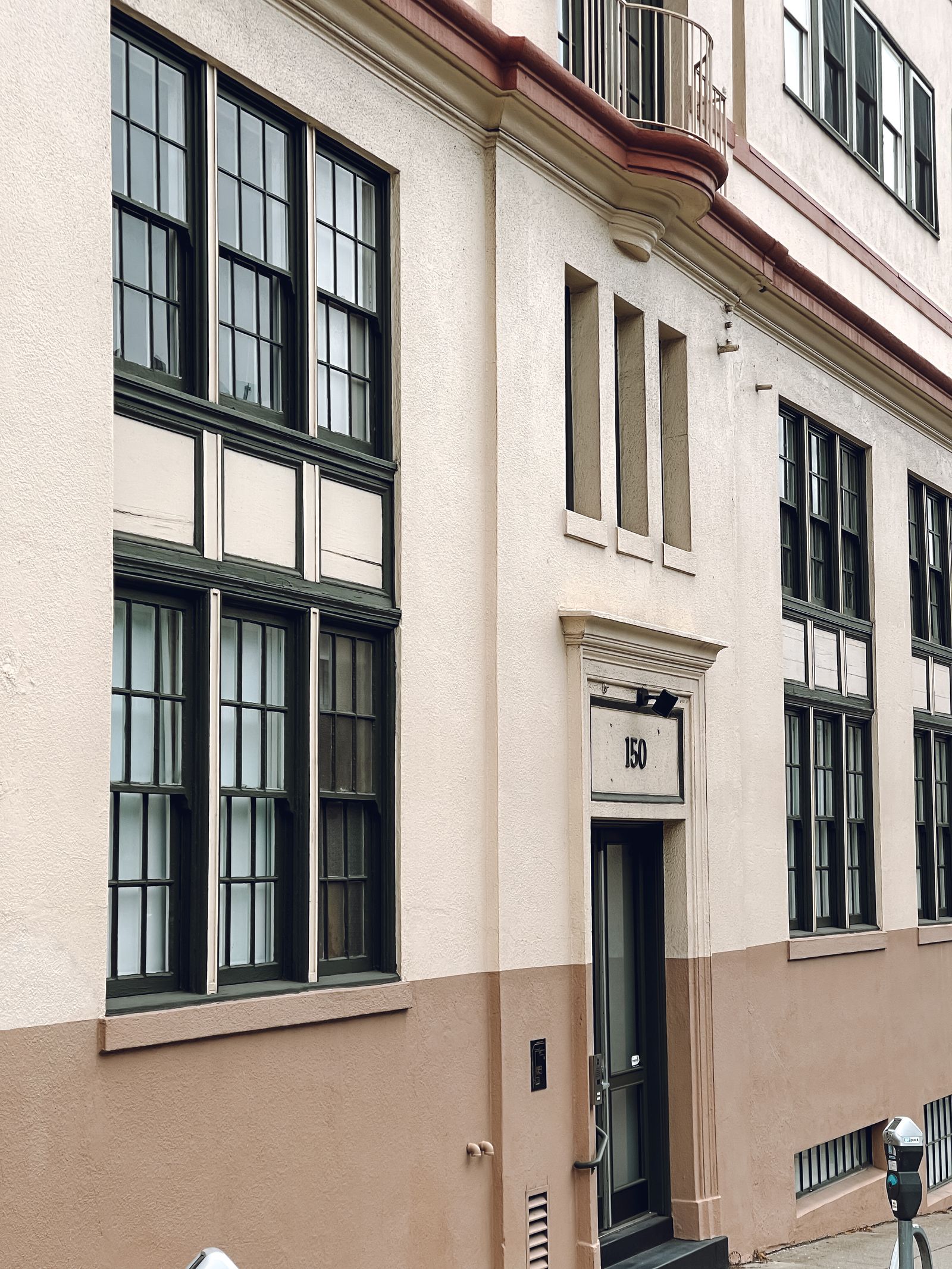
Soft washing addresses compatible organic film with control
Soft washing generally combines a compatible cleaning solution with controlled application, dwell, and rinsing. Chemistry can do much of the work on appropriate organic growth, pollen, mildew-like staining, and atmospheric film without relying on maximum water impact. Low pressure is not automatically safe: dilution, dwell, rinse, overspray, plant protection, glazing protection, weather, and runoff still matter. The method fits only when testing supports compatibility with the observed surface.
Soft washing is not a cure-all. Mineral scale, oxidation, rust, soot, efflorescence, embedded traffic film, old paint, failed sealant, coating failure, and damaged masonry may need specialty cleaning, repair, or another trade. Piedmont buildings can show several conditions on one elevation. A Greensboro proposal should state the test area, expected result, included surfaces, remaining deposits, and any concern that needs a mason, roofer, painter, or envelope professional.
Pressure washing has a place on evaluated durable surfaces
Pressure washing uses water impact to release compatible loose soil from a material that can tolerate the selected pressure at the surface, nozzle, distance, flow, angle, and technique. It may fit portions of concrete walks, curbs, loading aprons, service yards, and other durable hardscape after testing. Those same settings can be poor choices near old mortar, decorative brick, EIFS, fragile coatings, window seals, painted trim, open joints, and places where water can enter behind the facade.
More pressure is not automatically a better result. It can etch concrete, expose aggregate, stripe a surface, remove paint, disturb mortar, damage seals, force water into openings, or scatter soil toward a customer entrance while leaving biological staining behind. A useful comparison asks what deposit is being removed, what the substrate can tolerate, how the operator controls the work, and what finish is realistically achievable.
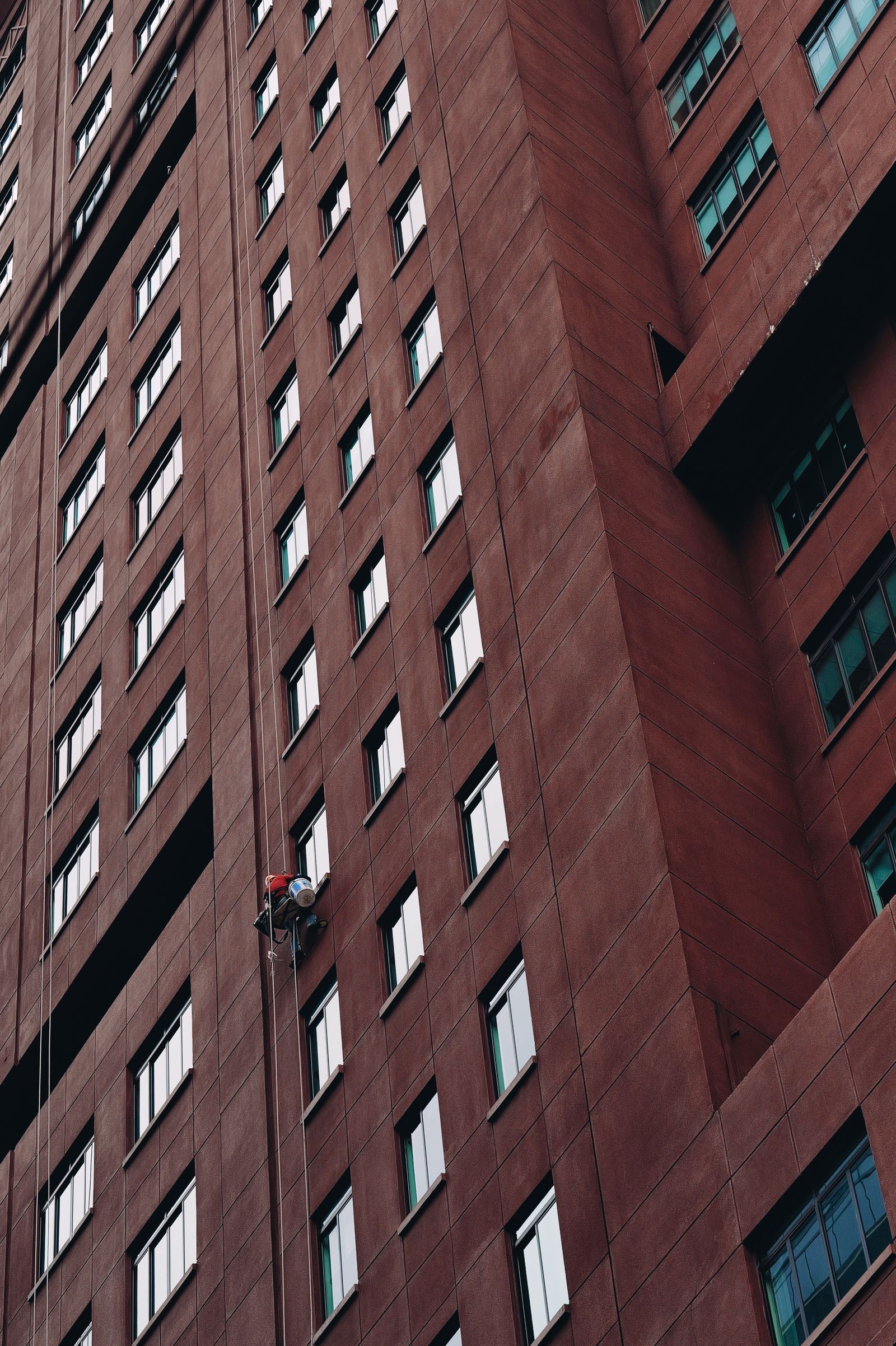
Match method to Greensboro materials and corridors
Downtown Greensboro can place brick, repaired masonry, storefront glass, signs, canopies, and public sidewalks close together. Friendly Center and Wendover Avenue add retail traffic, shared parking, drive aisles, deliveries, and multiple tenant schedules. A medical or office property may prioritize quiet work, patient drop-off, privacy, accessible routes, and emergency access. Airport and industrial sites can add broad metal walls, loading docks, trucks, dust, exhaust, security, rooftop equipment, and active yards. One property can reasonably need a soft wash on a compatible wall, controlled pressure on a concrete apron, hand work around signs, and a separate glass scope.
Brick and mortar require attention to porosity, joint condition, age, previous repairs, and water absorption. Concrete may tolerate controlled pressure on one apron but need a gentler approach where it is coated, cracked, polished, or spalled. Metal panels may show oxidation, chalking, exhaust, or coating failure rather than organic growth. Glass, stucco, EIFS, stone, painted surfaces, composite panels, awnings, sealants, and canopies each need a compatibility review. The proposal should explain the method by zone instead of applying one label to the whole building.
- Ask which deposits are expected to respond to chemistry and which need another trade.
- Test representative masonry, coatings, repairs, and sensitive materials.
- Treat glass, metal, mortar, EIFS, painted areas, plants, seals, and air intakes as protection zones.
- Do not use a low-pressure or high-pressure label as a substitute for a site plan.
Let Piedmont weather and runoff influence the choice
Greensboro humidity, spring pollen, shade, heat, rain, wind, and thunderstorms influence staining, drying, chemistry, pressure, plant protection, and the work window. A hot metal wall may dry a solution quickly while a shaded brick elevation stays damp. Heavy rain can redirect rinse water toward curb inlets, planted islands, swales, low points, basement doors, or neighboring property. Lightning, high wind, slick pavement, and storm debris can make either method unsuitable at the moment. Weather pause conditions belong in the scope.
Before choosing a method, identify equipment staging, water access, hose routes, barriers, doors, windows, air intakes, vehicles, utilities, rooftop equipment, trees, customer paths, loading activity, and emergency lanes. Runoff controls depend on product, soil, water volume, slope, vegetation, drains, and site requirements. Possible measures include diversion, recovery, filtration, reduced rinse, protection, collection, disposal, or coordination with the responsible authority. The facility should understand the assumptions before work begins.
Aerial assistance may support broad upper elevations only when wind, launch and recovery space, line of sight, stand-off distance, visual control, public separation, obstacles, wires, security, airspace, facade suitability, and runoff planning support it. It remains subject to applicable Federal Aviation Administration requirements and does not replace close inspection, contact glass cleaning, hand detailing, or repair. Airport proximity and occupied-site activity may make a ground, pole, lift, or hybrid method more appropriate.
Use a zone-by-zone decision instead of a slogan
A Greensboro quote should show why a method is assigned to each area. A shaded upper brick wall with compatible organic film may suit a tested soft wash. A durable concrete loading apron may suit controlled pressure if water movement and traffic can be managed. A metal wall with oxidation may need a specialty process or documentation of limitations. Storefront glass, canopies, signs, louvers, door thresholds, and repaired masonry may need hand work or protection. A hybrid scope is often more honest than forcing one process across mixed materials.
The decision should also reflect the property's use. Downtown sidewalks, Friendly Center customer movement, Wendover traffic, hospital-area drop-off, office occupancy, airport security, industrial loading, and stormwater routes can alter the sequence. Schedule, barriers, spotters, hose routing, water supply, weather limits, and closeout matter as much as the selected spray method. Cleaning improves a compatible surface; it does not correct a leak, failed coating, open joint, clogged gutter, or structural concern.
Ask for a defensible scope and realistic result
Send photos of the main entrance, shaded wall, upper elevation, roof edge, windows, loading area, landscaping, parking-side drainage, and any stain that concerns the facility team. Include building use, approximate height, materials, operating or security limits, water access, desired timing, and the result that matters. Ask the proposal to identify included elevations, test areas, proposed chemistry or pressure approach, access equipment, protection, runoff assumptions, weather contingencies, exclusions, and what happens if a mark is actually a repair issue.
That information lets an owner or facilities manager compare soft washing, controlled pressure, aerial assistance, and hybrid options without relying on a generic promise. To discuss a downtown, Friendly Center, Wendover, airport, industrial, medical, or office property, call +1 239-351-2897 or email contact@dronebuildingcleaners.com to get in touch with Drone Building Cleaners and request a quote.